
Sexual health has always been an area of interest and inquiries. The most popular topics for research could be the subject of the G-Spot. There are many people who are keen to know about the exact location of the G-Spot, whether it exists, as well as the best method to advertise the concept. For couples, this desire usually stems from the desire to increase relationships and have fun.
In this blog, we’ll go over the meaning of G-Spot, and the way it works and the simplest method to locate it. Our goal is to present precise, scientifically-backed information written in simple language that even the most novice of readers can comprehend.
What is the G-Spot?
The G-Spot, also known as The Grafenberg Spot, is an in vaginal area that is believed to bring intense enjoyment to sexual activities when stimulated. The name was coined in honor of who was Dr. Ernst Grafenberg, who first recognized the location in the 1950s.
The G-Spot has been described by researchers as a sensitive and small part of the vaginal wall, which reacts in response to touch or pressure. It’s important to keep the fact that women do not experience the same number of sensitivities. The response of each woman may be different for each woman.
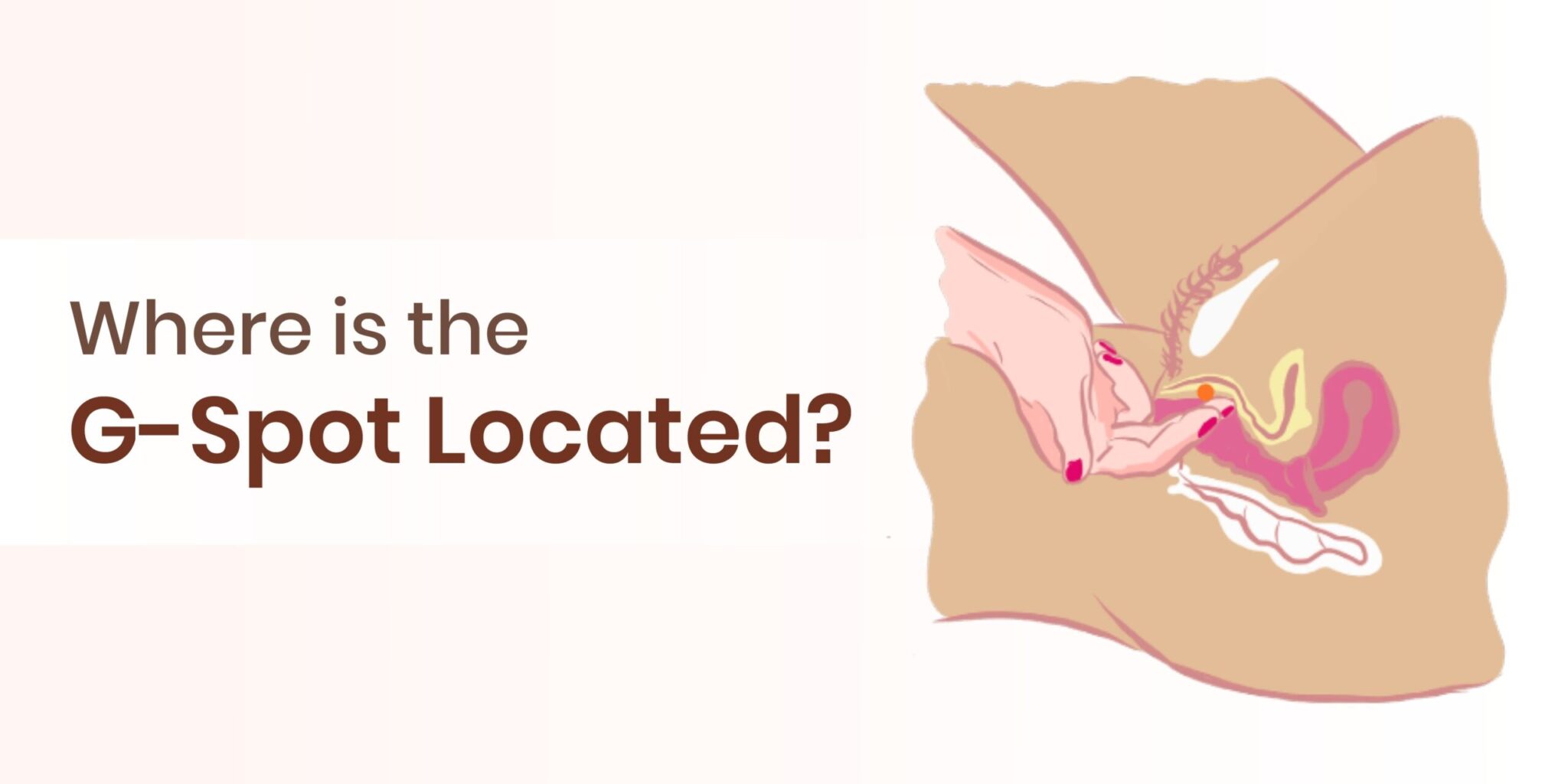
Where is the G-Spot Located?
The G-Spot can be located:
- Approximately **2 inches to 3 inches** in the vagina
- The vaginal wall facing towards the forward (the side that is facing towards the stomach)
- It's slightly elevated or **spongy** when you compare it to the rest of the area
- If there is the increased blood flow the area affected could become evident due to an increase in the flow of blood.
Easy Way to Locate the G-Spot
Finding the G-Spot isn't requiring much effort. Following steps will assist to get you there:
-
Step 1: Comfort and Relaxation
Everyone should be relaxed. Pressure from work or stress can make it hard to concentrate on the experience. A relaxing space that has privacy can help.
-
Step 2: Arousal Sensitive
The **G-Spot is more sensitive** when women are already highly stimulated. The benefit of play is the fact that it increases blood flow. This causes the G-Spot to become more sensitive and easier to detect.
-
Step 3: Positioning
Anyone who is exploring must make sure that their hands are clean and well-lubricated. Water-based lubricants are the best to reduce friction.
-
Step 4: The "Come Here" Motion
The fingers of a couple in the vagina, keeping the palm facing toward the upward direction. The fingers should curl up in a **"come this direction" motion**. It's possible to detect an area that feels soft, or has lines, it's the G-Spot.
-
Step 5: Apply Pressure
Gentle pressure, but firm, can be more effective than lightly pressing. The pressure will increase gradually as you determine whether you feel comfortable.
Signs You've Found the G-Spot
- The surface can be scratchy or rough compared to the walls surrounding it.
- Partners have reported a particular kind of fullness or excitement
- Some women have the requirement to go for a urinate because of G-Spot's placement close to the bladder.
- If properly stimulated, this process may trigger more intense breaths
Causes (Why People Fail to Locate / Stimulate the G-Spot)
1) Insufficient Arousal
When arousal is incomplete, the pelvic tissues don’t receive enough blood flow, making the G-spot area less responsive and harder to locate.
2) Mental Stress & Anxiety
Stress tightens pelvic muscles and reduces natural lubrication, blocking sensitivity. Emotional comfort is essential for proper response.
3) Poor Communication Between Partners
Misunderstanding, hesitation, or lack of guidance leads to incorrect pressure or angle, reducing sensation and causing discomfort.
4) Vata Dosha Imbalance (Ayurveda)
Dryness, weak pelvic tissues, and disturbed nerve function caused by high Vata can decrease natural sensitivity and responsiveness.
Why Choose Dr. Juneja for Your Health?
Decades of experience in Ayurvedic treatments, focusing on anorectal, digestive, and lifestyle-related health conditions.
Focuses on identifying and correcting the internal imbalances (Agni, Doshas, Ama) that cause chronic symptoms, ensuring lasting relief.
Treatment plans are tailored to your unique body type (Prakriti), incorporating diet, lifestyle, and customized herbal formulations.
Expert application of advanced techniques like **Kshara Sutra** for conditions like Piles and Fistula, offering minimal invasion and high success rates.
Uses pure, natural herbs and methods, avoiding dependence on chemical drugs and minimizing side effects.
Provides comprehensive guidance on nutrition and lifestyle modifications for sustained health and disease prevention, not just temporary fixes.